Corrosion Repair & Protective Coatings
Root-cause corrosion repair using proven marine coating systems.
Long-life remediation focused on durability and longevity.
What we do
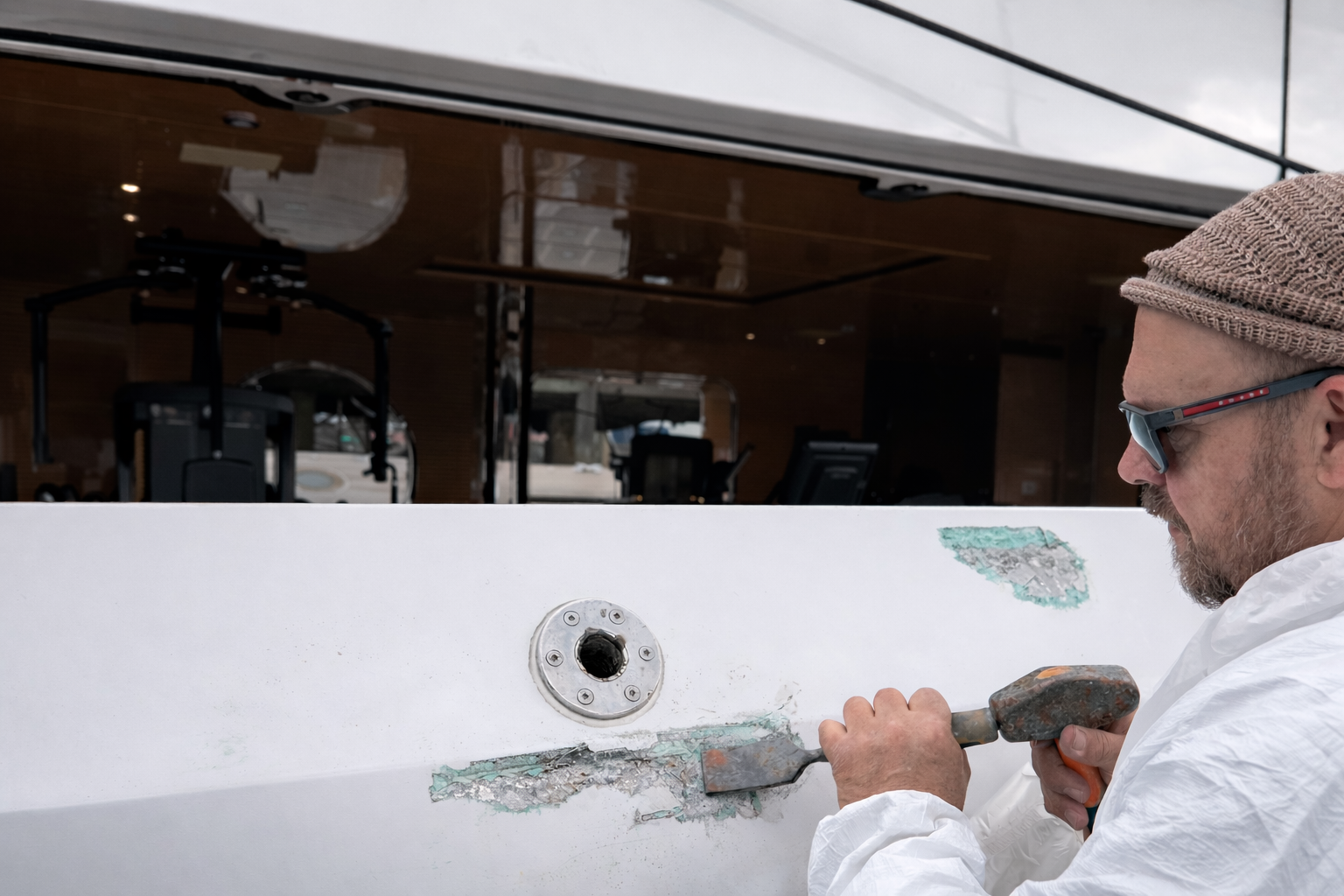
At Touch of Gloss, we specialise in root-cause corrosion remediation and protective coating systems, going beyond conventional marine painting and cosmetic repainting. Rather than simply renewing appearance, we focus on understanding why coatings fail and addressing corrosion at its source.
Corrosion is rarely a surface issue — it is typically the result of system failure caused by trapped moisture, incompatible materials, poor edge preparation, or incorrect coating selection. Our process begins with a detailed assessment to identify the underlying cause, followed by correct surface preparation and system rebuild to prevent repeat failure.
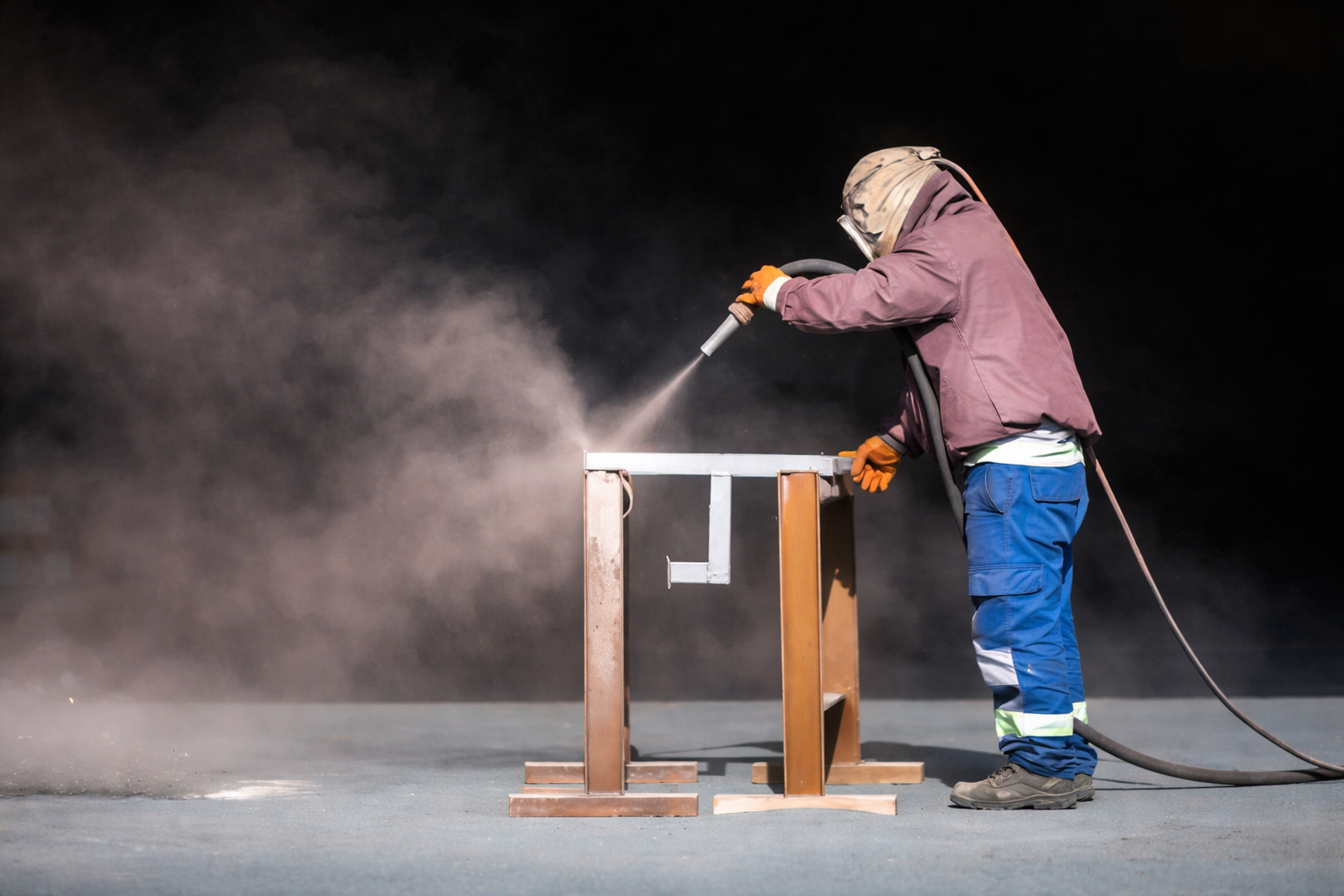
Depending on the substrate and extent of damage, preparation may include mechanical grinding, vapour blasting, abrasive blasting, or chemical/acid cleaning, ensuring contamination is removed and the surface is correctly profiled for coating adhesion. From there, we apply proven marine-grade primers and coating systems, selected specifically for the environment and service conditions.
All work is carried out in our controlled workshop environment or on site where required, allowing us to maintain consistency, quality, and system integrity throughout the repair process. Drawing on our marine background, we use coating systems designed to withstand some of the harshest operating environments — constant moisture, salt exposure, UV, and thermal movement. These marine-grade systems are far superior to standard architectural coatings, delivering durable, long-life corrosion protection suited to New Zealand’s demanding coastal conditions, reducing ongoing maintenance and protecting the value of your asset, not just its appearance.
Our workshop service includes:
Corrosion assessment & remediation
We start by inspecting the affected areas to understand how far corrosion has progressed and what has caused the coating to fail, so the repair can be planned properly before any work begins.
Surface preparation & metal profiling
Preparation is matched to the substrate and condition and may include grinding, vapour blasting, abrasive blasting, or chemical cleaning to remove contamination and failed coatings and leave the surface correctly prepared.
Edge treatment & detail preparation
Edges, welds, corners, and penetrations are treated carefully, as these are typically where failures start if not prepared and sealed correctly.
Protective coating systems
Primers and topcoats are selected to work together as a complete system, based on the material, exposure, and service requirements rather than a one-size-fits-all approach.
Workshop application & quality control
Carrying out the work in a controlled workshop environment allows us to manage film build, curing, and cleanliness, and to check the work at each stage of the process.
Final inspection & handover
Before completion, repairs are checked for consistency and system integrity to ensure the work is built for durability, not just appearance.
Why it matters
In coastal environments, metal components are exposed to conditions that can cause coatings to break down earlier than expected. Moisture can migrate behind a coating system long before visible damage appears, allowing corrosion to develop unnoticed. In many cases, corrosion is further accelerated where different metals are introduced to one another without correct insulation or separation, creating galvanic reactions beneath the coating system.
When repairs focus only on restoring appearance, these underlying issues are often left unresolved. Trapped moisture, uninsulated dissimilar metals, and incompatible materials can continue reacting beneath the surface, leading to corrosion progressing even after repainting.
This often results in coatings failing again, increased maintenance requirements, and avoidable rework over time.
-Factors that commonly contribute to premature failure include:
-Residual contamination on the surface
-Edges and details that are not adequately prepared or sealed
-Direct contact between dissimilar metals without proper isolation
-Primer systems that are incompatible with the substrate or adjacent materials
-Coatings applied outside their intended service conditions
Addressing these factors as part of the repair process helps extend coating life, reduce ongoing maintenance, and minimise the likelihood of repeat failures.